
“But I’ve Always Done It This Way”
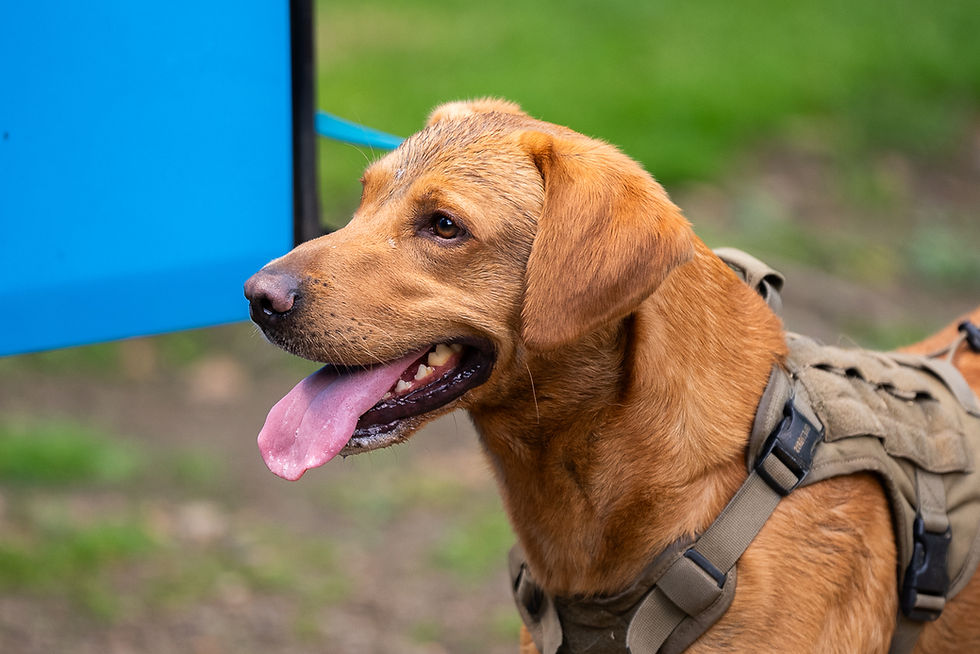
Something happened on a training walk recently that has stayed with me.
We were out working with a dog who, not so long ago, would have found passing another dog incredibly difficult. Getting overexcited, pulling, struggling to listen and finding it very hard to regulate himself around other dogs.
Fast forward through months of patient, consistent training and, as another dog approached, he sat calmly beside me and waited.
No shouting. No corrections. No intimidation.
Just a dog who has gradually been taught what we would like him to do and, perhaps more importantly, has been given the time and support to learn how to cope with the world around him.
A little further along our walk, we passed two very polite older ladies walking their dogs. One had a young rescue Border Collie who was clearly finding passing another dog difficult. As the Collie became increasingly wound up, the owner sprayed the dog with water.
It didn’t appear to make much difference.
The dog was still struggling. Still reacting. Still unable to cope with the situation.
Except now, something unpleasant was happening to them at the same time.
And I found it really quite disheartening to watch.
When do we say something?
This is something I struggle with as a dog trainer.
I never want to walk around pushing my opinions onto people. Nobody wants an unsolicited lecture from a stranger while they’re simply trying to walk their dog, and generally I will bite my tongue.
But on this occasion, I did try to politely explain why spraying the dog wasn’t necessarily helping and why there are other ways we can approach this behaviour.
The response was something many trainers will have heard before.
“I’ve owned dogs for over 30 years.”
“I did this with one of my previous dogs and it worked.”
“It was recommended by a qualified trainer who had lots of agility dogs.”
And I don’t doubt any of those things. The advice probably was given by a trainer. It probably was considered perfectly acceptable. And perhaps, with a previous dog, spraying them appeared to stop the unwanted behaviour.
But this is where I think we need to separate stopping behaviour from changing behaviour.
If I do something unpleasant every time a dog barks, lunges or reacts and eventually that dog stops doing it, I may have successfully suppressed what I can see. But have I changed how that dog feels?
Have I taught them what to do instead?
Have I made them feel safer around the thing they were struggling with?
Or have I simply made displaying that emotion unpleasant too?
Current veterinary behaviour guidance specifically recognises the importance of creating positive associations with things a dog finds frightening and teaching alternative behaviours, rather than relying on aversive methods to suppress the response.
Science moves on. We should too.
One of the things I love about dog training is that we are constantly learning.
And sometimes that means accepting that something we did ten, twenty or thirty years ago might not be something we would choose to do today.
That isn’t an attack on previous generations of dog owners or trainers. Progress often requires us to look back at practices that were once considered normal and ask whether, with everything we know now, we can do better.
Dog training should be no different.
Our understanding of canine behaviour, learning and welfare continues to develop. We have more research available to us and a much greater understanding of the potential emotional consequences of the methods we choose.
A 2020 study of 92 companion dogs compared dogs attending reward based training schools with those attending schools using aversive methods. Dogs exposed to aversive based training displayed more stress related behaviours during training. Those trained with a high proportion of aversive methods also showed greater increases in cortisol after training and more pessimistic responses in a cognitive bias test.
That doesn’t mean every dog subjected to a correction will immediately become frightened or damaged. Behaviour and learning are far more complicated than that.
But when we have evidence that one approach carries greater welfare risks, while another can achieve our training goals without deliberately causing discomfort, we have to ask ourselves why we would choose the former.
“But it worked…”
This is perhaps one of the most important conversations we can have. Because punishment can work. That’s exactly why people continue to use it.
If spraying a dog with water makes barking unpleasant enough, the barking may reduce. If jerking a lead interrupts lunging, the lunging may stop in that moment.
But “did it stop the behaviour?” shouldn’t be our only measure of successful training.
We should also be asking: How did the dog feel while we did it?
What did they learn?
Did we address the reason the behaviour was happening?
What could the unintended consequences be?
Could we have achieved the same or a better result another way?
Research published in PLOS ONE found poorer welfare indicators in dogs trained using aversive based methods compared with dogs trained using reward based approaches.
The American Veterinary Society of Animal Behavior goes further. Its current position is that reward based methods should be used for all dog training, including behaviour problems, and that aversive methods should not be used.
Here in the UK, the RSPCA similarly advises that dog training should be reward based and recommends avoiding training techniques that rely on fear, pain, shouting or physical punishment.
This isn’t simply a case of one trainer preferring treats and another preferring corrections. There is evidence behind the conversation.
Positive reinforcement isn’t just throwing treats at a problem
I think this is another misconception that needs addressing. Positive reinforcement doesn’t mean standing at the end of a lead feeding chicken while your dog continues to lose their mind.
Good reward based training is thoughtful.
We look at distance.
Environment.
Thresholds.
Body language.
Arousal.
Previous learning.
What the individual dog finds reinforcing.
We manage situations so the dog is actually capable of learning, reinforce the behaviours we want to see more of and gradually help that dog develop the skills to cope with increasingly difficult situations.
Sometimes our priority isn’t obedience at all.
Sometimes it’s simply helping a dog feel safe enough to watch the world without needing to react to it. And it takes time.
Two dogs passing on a walk
Perhaps that’s why this particular encounter affected me so much. Because standing beside me was the evidence of what patience can achieve. The dog I was training hasn’t always been able to calmly watch another dog pass. We’ve worked on it.
We’ve had difficult sessions.
We’ve adjusted environments.
We’ve increased distance when he’s needed it.
We’ve reinforced check ins, calm choices and engagement.
We’ve allowed him to sniff and decompress.
We’ve taken steps backwards when necessary.
And slowly, those tiny pieces have started coming together. So there we were.
One dog calmly sitting beside me, watching another dog pass.
And another young dog across the path struggling with many of the same emotions, being sprayed with water for communicating them.
Neither owner loves their dog any more or less. Both want their dog to succeed. Both are trying to do what they believe is right.
The difference is the information available to them and, crucially, whether we’re willing to reconsider that information when our understanding changes.
Thirty years of owning dogs shouldn’t mean thirty years of doing exactly the same thing
Experience is incredibly valuable. But experience and continued learning should go hand in hand.
I hope that in another ten years there are things I currently do as a trainer that I look back on and think: “We know a better way now.”
Because that would mean our industry has continued to progress. Being willing to change your approach isn’t admitting that you’ve failed your previous dogs. It’s giving the dog standing in front of you today the benefit of everything we’ve learned since.
And surely, that’s something worth being open to.
References


Comments